Worth remembering
- The fjord ferry to Lysebotn and the Preikestolen trail both run year-round, so a Lysefjord cruise is never strictly out of season.[1][2]
- Pack layers: a thermal base, a warm mid layer and a windproof shell, plus shoes with grip for a wet deck and a cold rail.
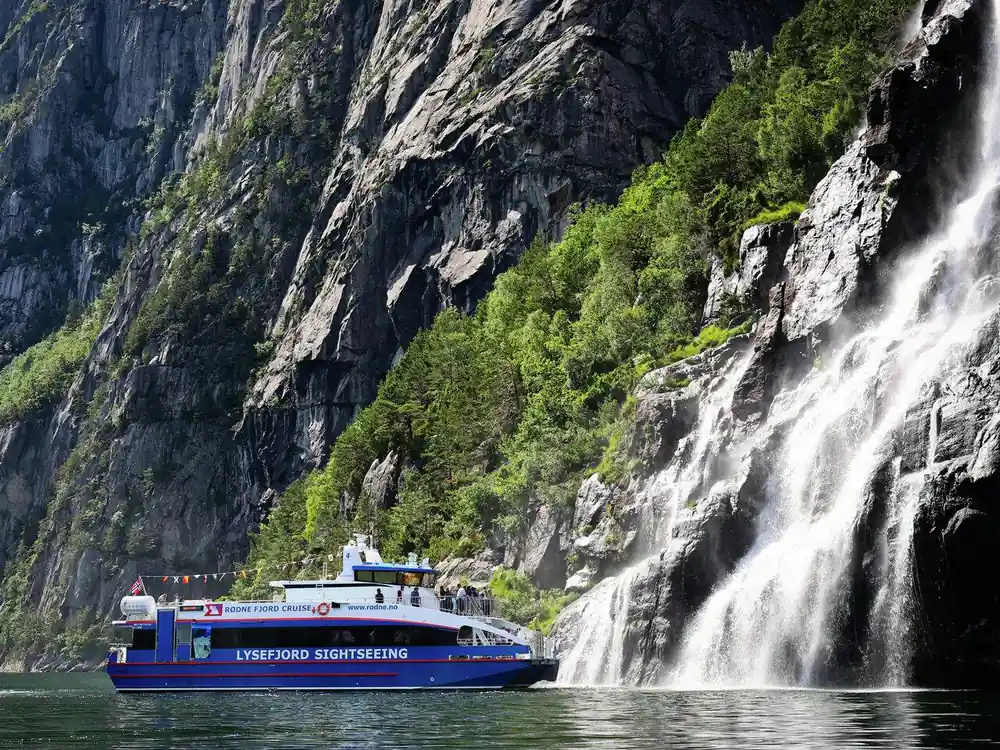
- The electric fjord cruise from Stavanger takes 3.5 hours and calls at Fantahala, Pulpit Rock and Hengjanefossen Waterfall.[3]
- Drizzle and low cloud change the view rather than cancel the trip. Preikestolen rises 604 metres above the fjord and can sit inside the cloud.[4]
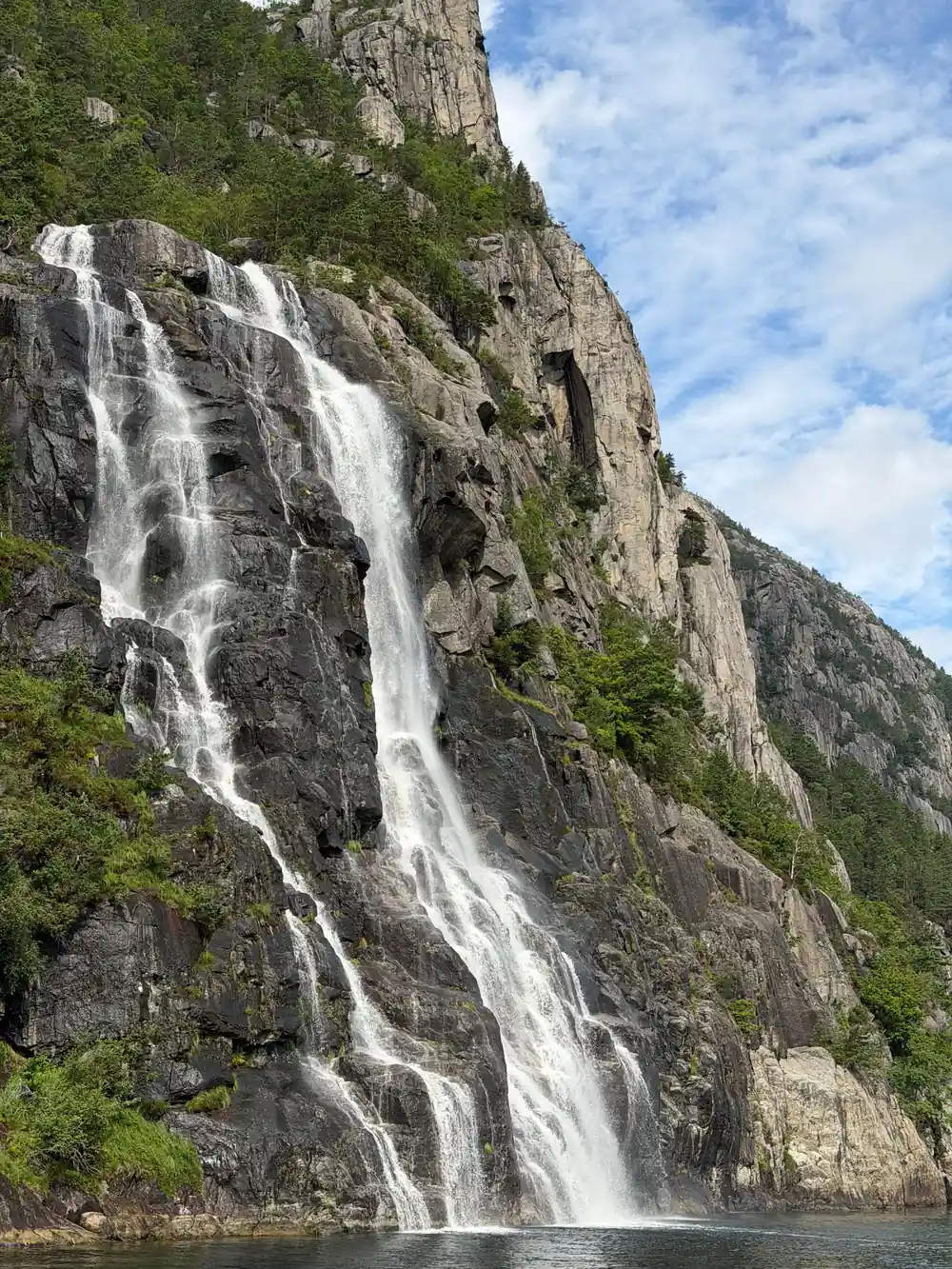
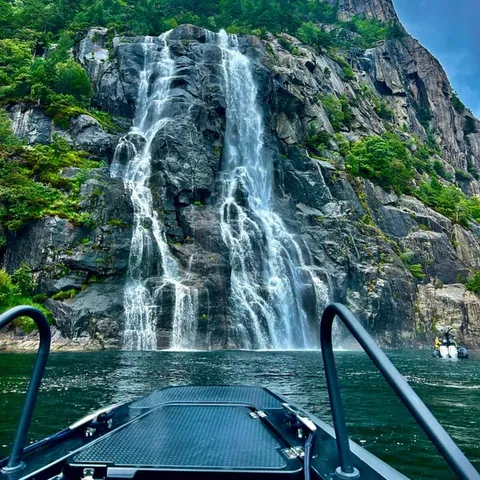
- Hengjanefossen drops around 400 metres into the Lysefjord, and snowmelt and heavy rain swell it through the year.[5]
- Top choice Electric Lysefjord cruise from US$75 Duration3.5 hours[3]Ratingrated 4.62 from 9,730 reviews[3]Good to knowWheelchair accessible[3] Check availability
- Low-emission fjord cruise from US$76 Duration2.5 hours[6]Ratingrated 4.81 from 2,256 reviews[6]Good to knowWheelchair accessible[6] See this tour
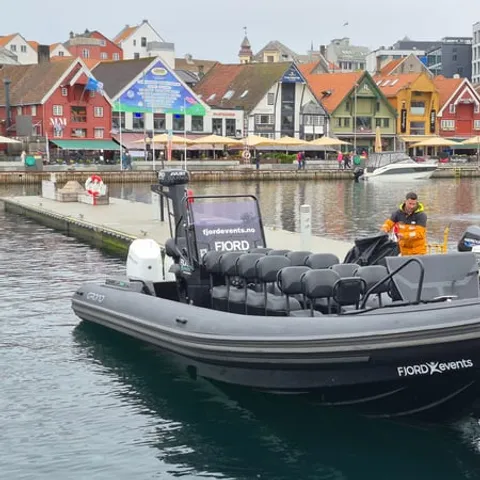
- RIB safari to Lysefjord from US$126 Duration2 hours[7]Ratingrated 4.92 from 1,526 reviews[7]Good to knowSkip the ticket line[7] See this tour
The hiking trail to Preikestolen is open year-round. Hiking Preikestolen off-season is a unique experience that offers different views and challenges.
Should you book the electric fjord cruise?
What to pack
- A warm thermal top and a mid layer for the open deck
- A windproof, water-resistant jacket, whatever the forecast says
- Sunglasses and sunscreen, because light bounces off the water
- Your booking details, plus headphones or a phone for the audio guide
Best month for a Lysefjord cruise
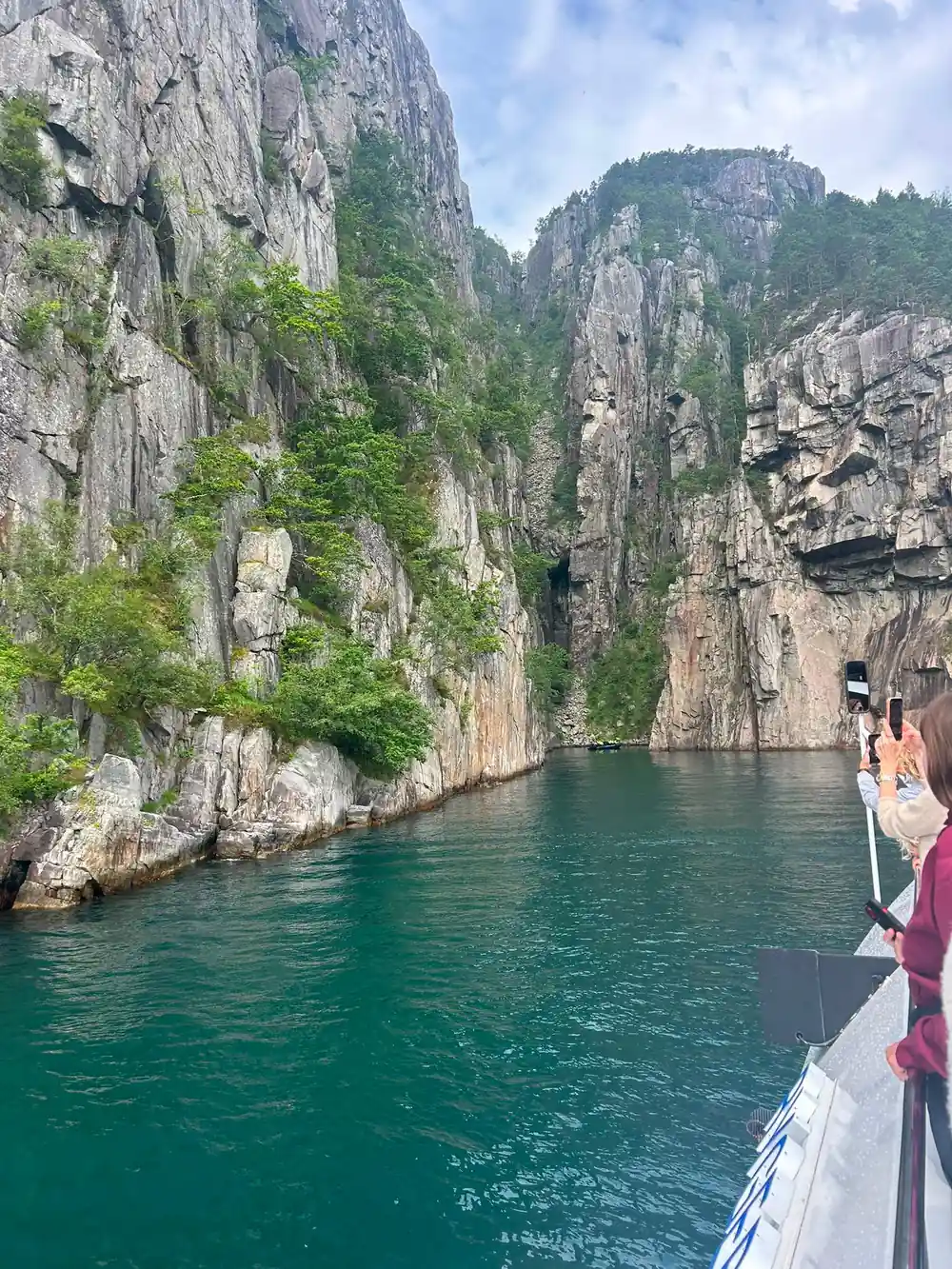
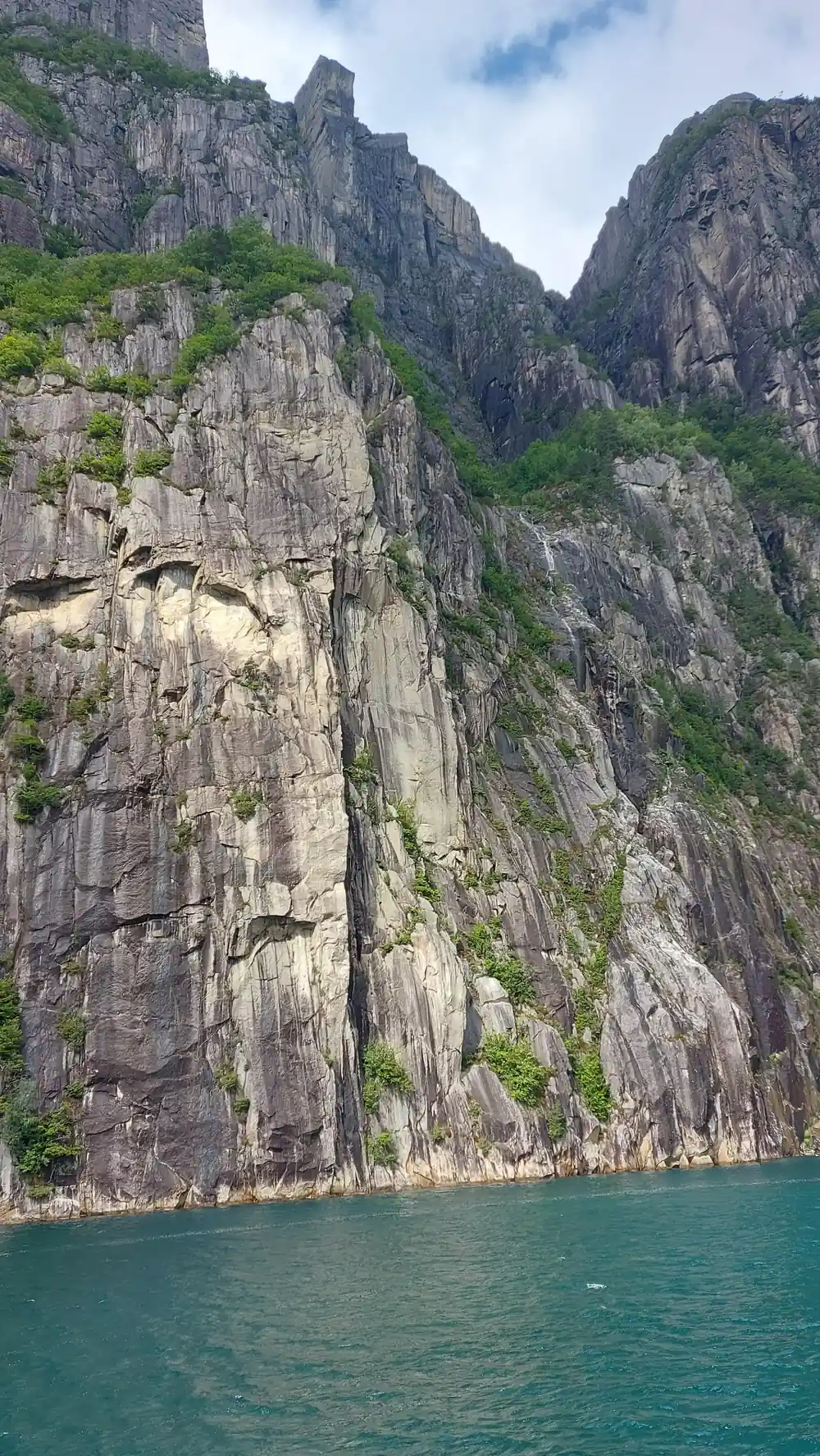
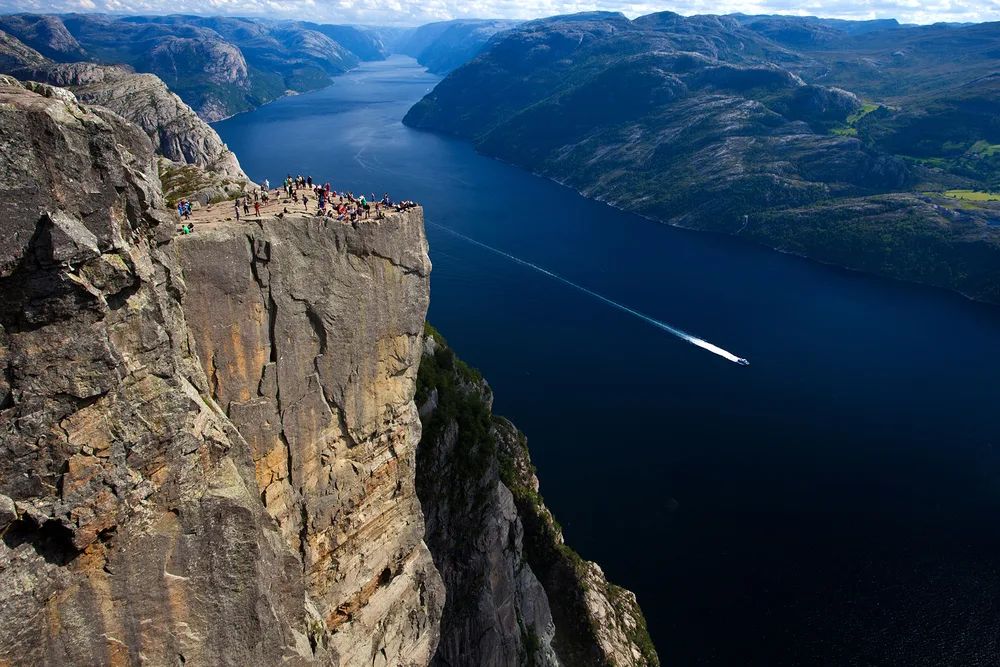
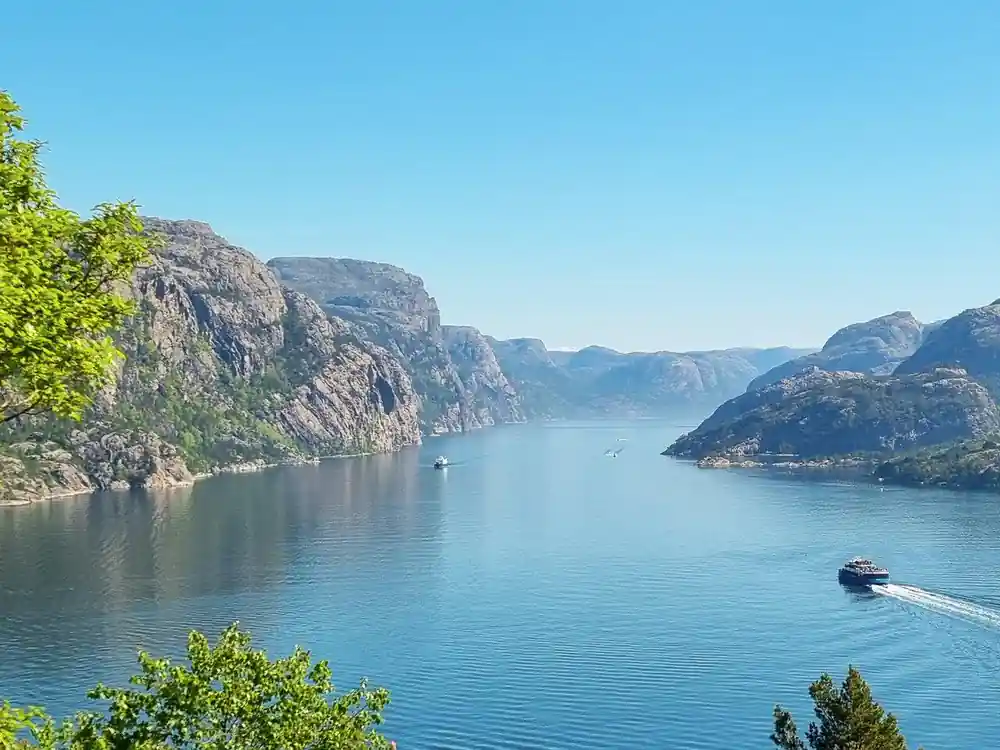
The Lysefjord was formed during the last Ice Age, about 10,000 years ago, when colossal glaciers carved deep valleys into the landscape.[8] Sail it and you are reading that history in the rock: a long trench of steep walls, ledges of bare grey stone, and pine trees holding on where there seems to be no soil at all. Above you, Preikestolen (the Pulpit Rock) rises 604 metres above the Lysefjord in Ryfylke.[4]
There is no closed season on this water. The Kolumbus local ferry service sails through the fjord with calls at Lysebotn year-round, and the hiking trail to Preikestolen is open year-round as well, including during the winter off-season.[1][2] What changes between the months is the light, the cloud and how much company you have. Late spring and early summer bring the longest evenings, snow still lying on the high ground and the fullest boats. Autumn turns the slopes and drops the cloud lower. Winter is dark, cold and quiet, with snow on the plateau.
The electric fjord cruise from Stavanger runs for 3.5 hours and calls at Fantahala, Pulpit Rock and Hengjanefossen Waterfall, with an audio guide in English and Norwegian and room on board for wheelchairs.[3] Reserve now and pay later is offered, along with free cancellation up to 24 hours in advance for a full refund.[3] That makes a fixed date easy to live with: choose the week you like, then watch the forecast as the day gets closer.
Does the cruise operate in a Stavanger winter?
Boats do sail in winter, but the day is short and the timetable is tighter. Starting times change with the date, so check availability when you pick your day.[3] Mornings are often grey, and the low, slanting light makes the fjord walls look almost black against the sky.
If you want a guided winter day, the season-specific listings are worth a look. A guided winter hike up Pulpit Rock takes 9 hours and costs from US$147, limited to 8 participants, with a live guide in English.[9] A winter day that combines a Lysefjorden cruise with a guided Preikestolen hike runs 9 hours, from US$269, also limited to 8 participants, and can be cancelled free up to 2 days in advance.[10]
On land, Stavanger carries on as usual, and the fjord stays open to the boats that serve it.[1] Dress as you would for a cold, damp day in town, then add a windproof layer for the deck. In return you get snow along the cliff ledges, waterfalls running hard and long stretches of water with nothing on them at all.
Low cloud sitting in the Lysefjord, with Pulpit Rock hidden somewhere above it
Air temperature and sun deck temperature on the water
Stavanger weather and Lysefjorden weather are not the same thing on the same afternoon. On the water you meet the breeze that funnels down the valley, plus the wind the boat makes as it moves, and together they make the air feel colder than a walk along the harbour. Expect the open deck to feel distinctly cooler than the streets you left behind, even in high summer.
The fjord itself is up to 422 metres deep and shallows to only 13 metres near Oanes and Forsand.[11] Even on a bright day the water below you looks cold and dark green. When you have had enough of it, the saloon is glazed, warm and dry, the audio guide runs in English and Norwegian, and the boat is wheelchair accessible.[3]
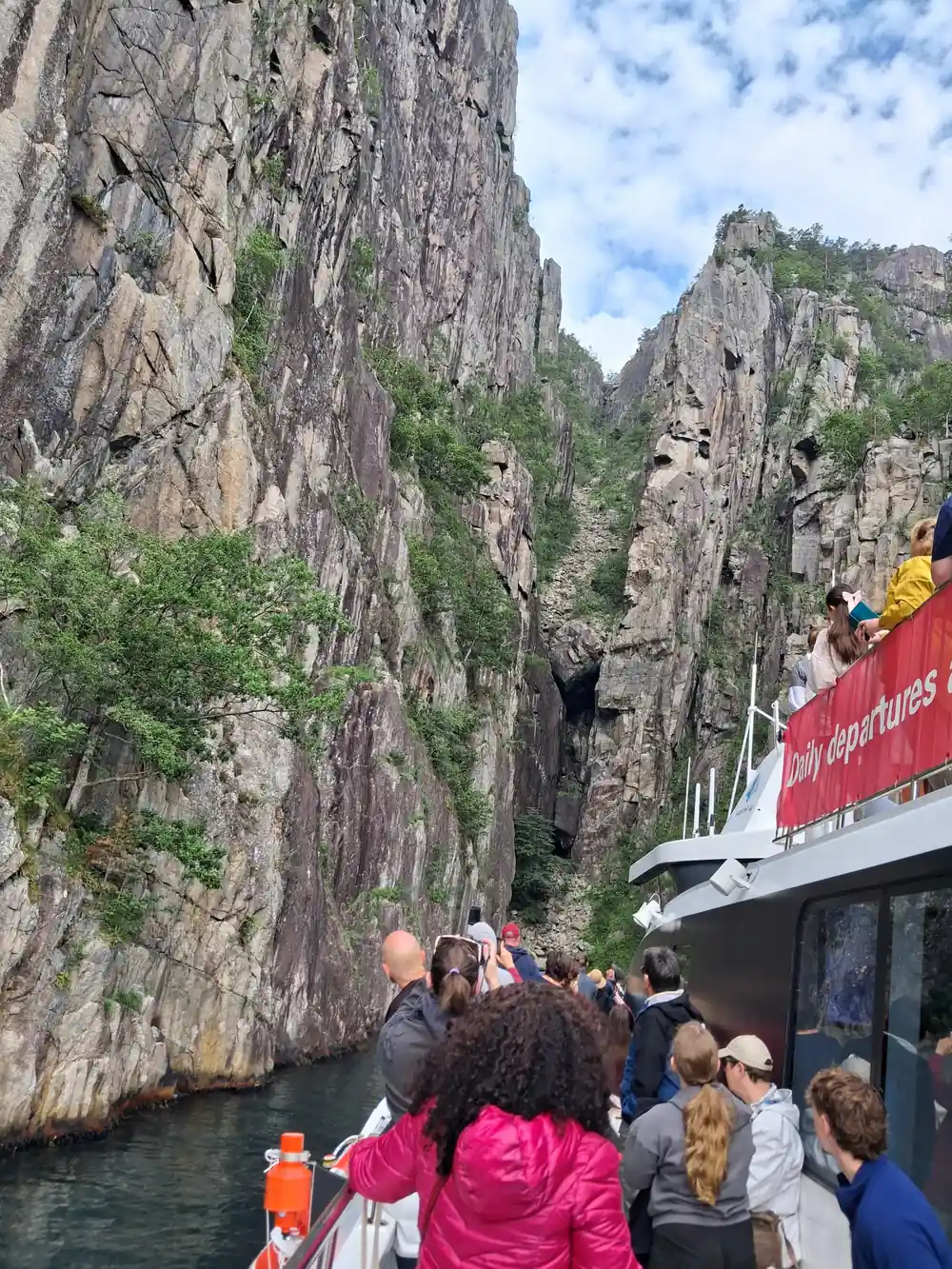
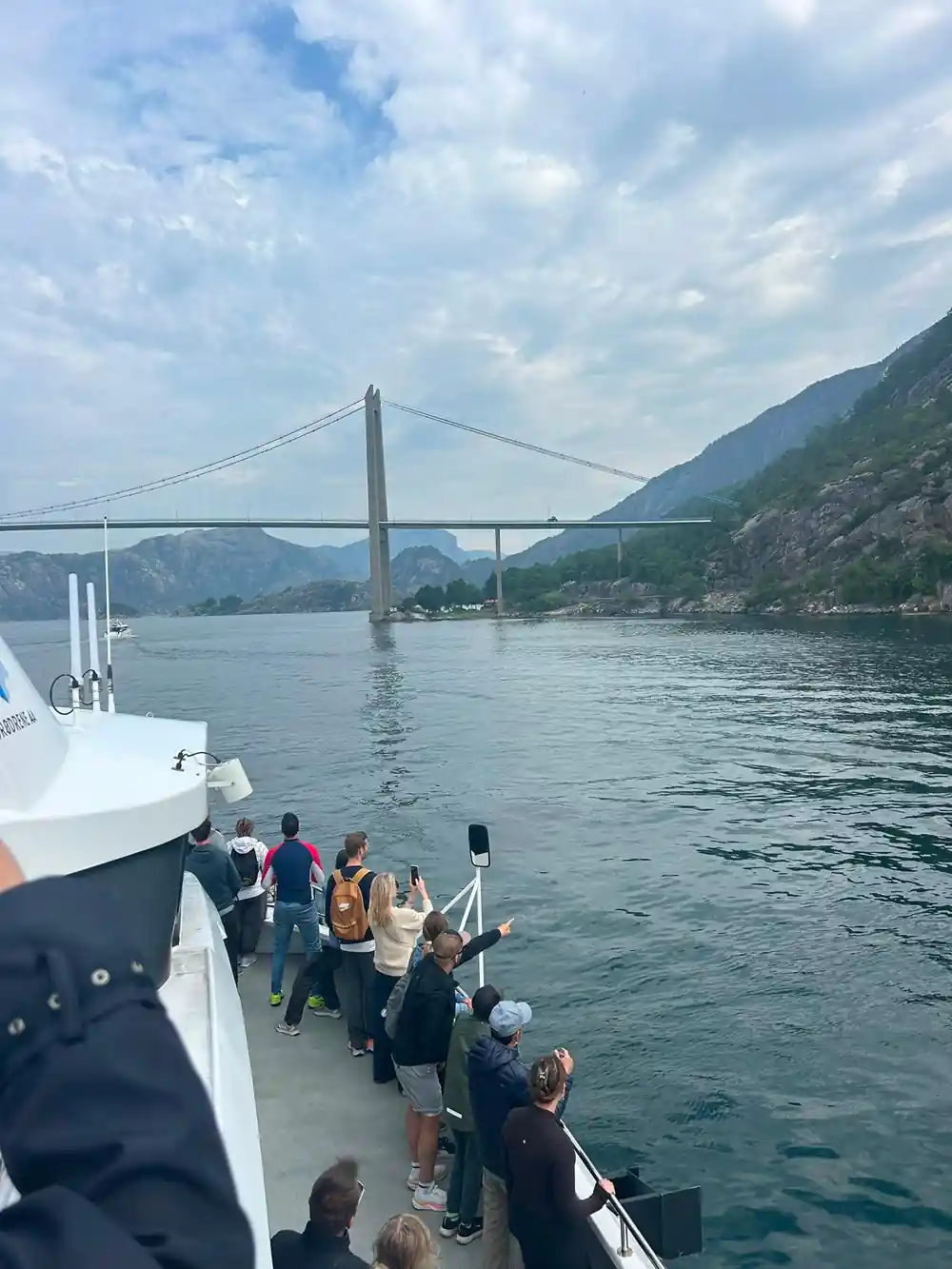
Treat the boat as two different places. Inside is a warm room with big windows and commentary in your ear. Outside, wind and spray decide how long you stay. The usual rhythm is to step out for Fantahala, stay out for Pulpit Rock, keep an eye open for Hengjanefossen Waterfall and then retreat inside to warm your hands.[3]
What to wear and footwear advice for the fjord
Dress for the water, not for the town. A thermal base layer, a warm mid layer and a windproof, water-resistant shell cover nearly every forecast the fjord can throw at you, and a light down or fleece jacket earns its place from spring through to autumn. Add a hat and thin gloves: hands on a metal rail get cold faster than anything else.
Footwear matters more than most people expect. Wear trainers or light walking shoes with a proper tread, and leave heels and smooth soles at the hotel. Decks get wet and gangways can be slippery. If you are combining the cruise with a hike, the trail to Preikestolen is less than 10km (6.2 miles) long with an elevation gain of just over 600m, and takes about 3 to 4 hours.[12]
Pack small and pack dry. A daypack is easier on a boat than a suitcase, sunglasses and sunscreen are worth having when the sun is out over the water, and a spare pair of socks in a dry bag is a small kindness to yourself. Camera batteries dislike the cold, so keep a spare close to your body and a cloth handy for the lens.
from US$75
The electric fjord cruise from Stavanger takes 3.5 hours[3] and passes below Pulpit Rock, 604 metres above the fjord.[4]
Rain and low cloud on fjord views
Rain in this part of Norway seldom arrives as one grey wall from morning to night. More often it comes as drizzle, mist and moving showers, and the fjord looks remarkable between them: cloud caught in the gullies, water shifting from steel grey to jade, and thin white threads appearing on cliffs that were dry an hour earlier.
Low cloud does hide the tops. Preikestolen rises 604 metres above the Lysefjord, and on a soft day the plateau simply is not there when you look up.[4] There is still plenty to see from the water, because the cruise passes Fantahala, Pulpit Rock and Hengjanefossen Waterfall.[3] Seeing the cliff from below is a different experience from standing on the edge, and mist adds scale rather than taking it away.
Work with the forecast instead of against it. If the morning is thick with cloud, take a later sailing; if rain is set in for the day, wear the shell and enjoy the deck while everyone else stays inside. Photographers should carry a microfibre cloth and a dry bag, and shoot in the gaps rather than waiting for a clear sky.
When Lysefjord waterfalls reach peak flow
Hengjanefossen drops around 400 metres into the Lysefjord and is one of the stops on the electric cruise from Stavanger.[3][5] Its volume changes with the weather more than anything else on the route. Fed by snow high on the plateau, it swells through late spring and early summer, then settles back to a thinner ribbon as the season wears on.
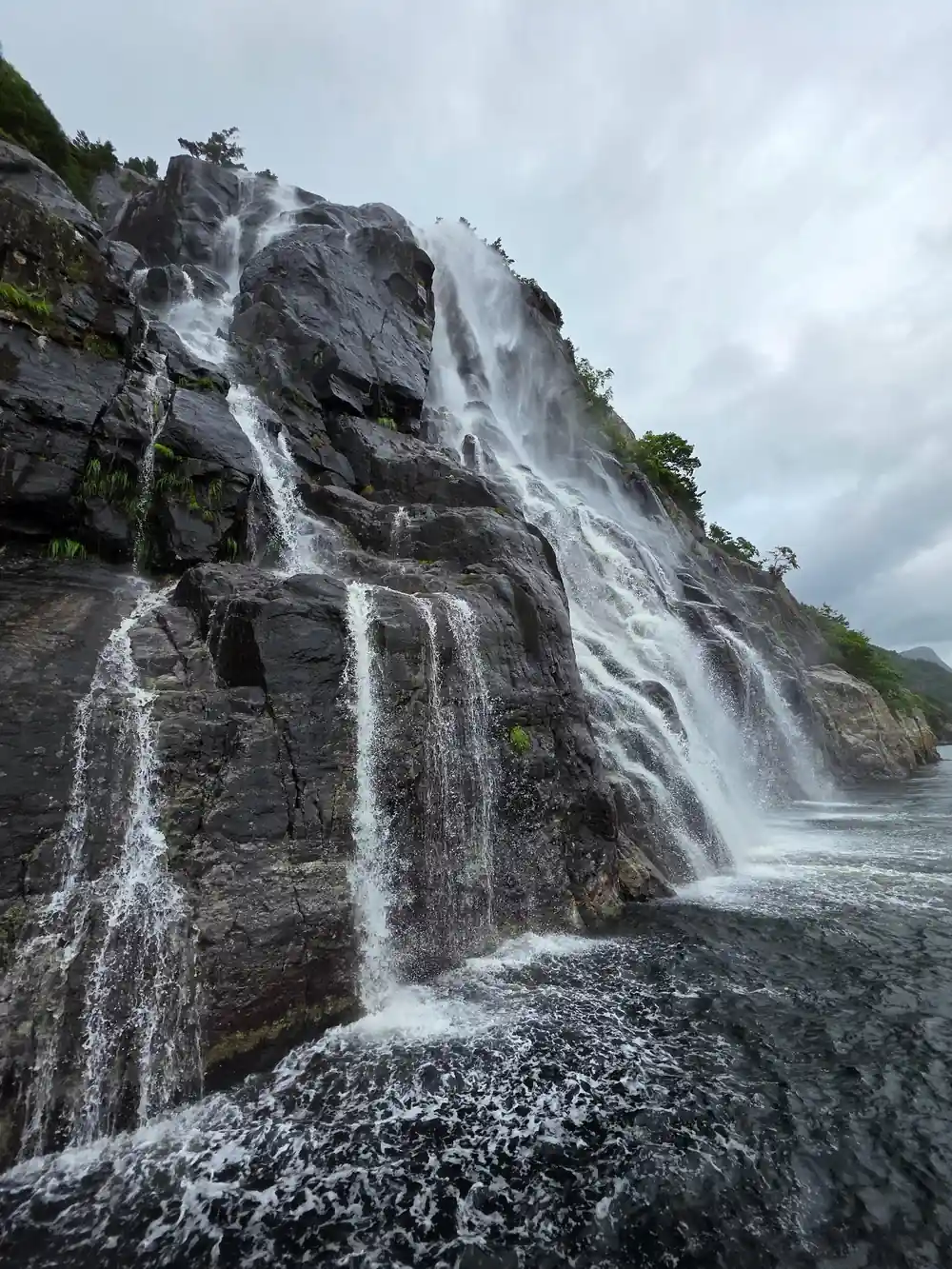
Rain matters as much as snowmelt. A wet spell can bring the falls up quickly, and the same rain that flattens the view from the deck turns the cliff faces into a series of white lines. The boat gets close enough for spray on the camera lens, so keep it covered until the last moment.
For the fullest falls, aim for the weeks when the snow above is melting and the showers keep coming, then check the forecast again a day or two before you sail. Even in a dry spell the fjord has running water: small streams find their way down the walls in every month, and the deep green of the fjord is not the colour of a shallow lake.
Weather cancellations and wind on the fjord
Fjord operators make their call on the day, weighing wind, wave height and visibility rather than a fixed number on a gauge. If a sailing cannot go ahead, the operator tells you. This listing offers reserve now and pay later, and free cancellation up to 24 hours in advance for a full refund.[3] Read the terms before you book, especially if the cruise is part of a shore day from a ship.
Some trips carry extra protection. The Stavanger to Lysefjord and Preikestol RIB cruise offers a full refund for cruise ship delays or cancellations.[13] The winter cruise and hike combination can be cancelled for free up to 2 days in advance.[10] Those clauses matter more than the forecast when you are working around a fixed sailing time.
Wind is the thing that stops boats, and the open fjord can be breezy while Stavanger sits calm, so do not judge the day from your hotel window. If you feel the motion easily, sit where you can see the horizon and keep your eyes on the land. On any deck, hold a rail when you move about and keep phones and hats zipped away.
Hours on the water by fjord cruise
Durations in hours, exactly as these tour listings state them.[3][6][7][14]
Cruise prices from Stavanger
US dollar from-prices per person from these listings:[3][6][7][14]
When to book your Lysefjord sailing
Dressing for the fjord
Base layer
A thin thermal or merino top moves sweat away from your skin. Cotton is the one thing to leave behind.
Mid layer
A fleece or light down jacket traps warmth. Choose one that fits under your outer shell without bunching.
Outer shell
Windproof and water-resistant beats thick and heavy. Wind off the water is what makes a mild day feel cold.
Feet and hands
Shoes with grip for a wet deck, plus a hat and thin gloves. Hands on the rail get cold first.
Small extras
Sunglasses, sunscreen, a dry bag for the camera and a spare pair of socks. All small, all useful.
Book the electric fjord cruise and watch the forecast
from US$76Reserve now & pay later