Worth remembering
- The electric fjord cruise from Stavanger lists its stops as Fantahala in Rogaland, Pulpit Rock and Hengjanefossen waterfall.[2]
- The electric fjord cruise to Lysefjord and Preikestolen has a duration of 3.5 hours.[2]
- Preikestolen, the Pulpit Rock, rises 604 metres above the Lysefjord in Ryfylke.[3]
- The Lysefjord is approximately 40 kilometres long and up to 422 metres deep.[4]
- Free cancellation up to 24 hours in advance for a full refund, and reserve now and pay later.[2]
- Top choice Electric Lysefjord cruise from US$75 Duration3.5 hours[2]Rating4.62 from 9,730 reviews[2]Free cancellationFree cancellation up to 24 hours[2]Pay laterReserve now & pay later[2] Check availability
- Low-emission fjord cruise from US$76 Duration2.5 hours[5]Rating4.81 from 2,256 reviews[5]Free cancellationFree cancellation up to 24 hours[5]Pay laterReserve now & pay later[5] See this tour
- RIB tour to Lysefjord from US$126 Duration2 hours[6]Rating4.92 from 1,526 reviews[6]Free cancellationFree cancellation up to 24 hours[6]Pay laterReserve now & pay later[6] See this tour
The hike to the Pulpit Rock is also relatively easy, being less than 10km (or 6.2 miles) long and with an elevation gain of just over 600m, which can be completed in about 3 or 4 hours.
Our take on the Lysefjord cruise route
Before you sail
On and around the water
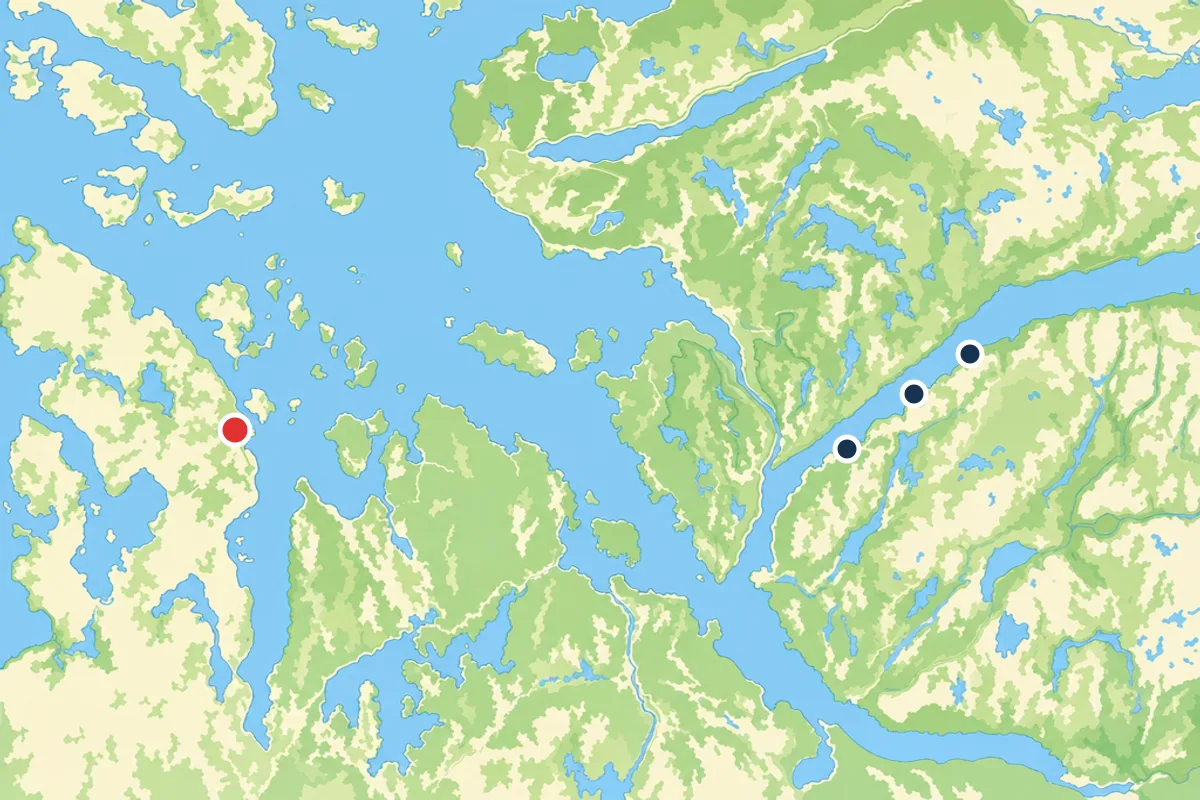
Reading a map of Lysefjord before you sail
The Lysefjord cuts inland from the Stavanger region as a long, narrow slash of water between bare rock walls. It is approximately 40 kilometres long and up to 422 metres deep, though it shallows to only 13 metres near Oanes and Forsand.[4] On a map of Lysefjord that shallow sill near the mouth is easy to miss, and it matters on the water. It marks the change from open coastal water to the enclosed channel that gives the trip its character. The fjord was formed during the last Ice Age, approximately 10,000 years ago, when colossal glaciers carved deep valleys into the landscape.[9]
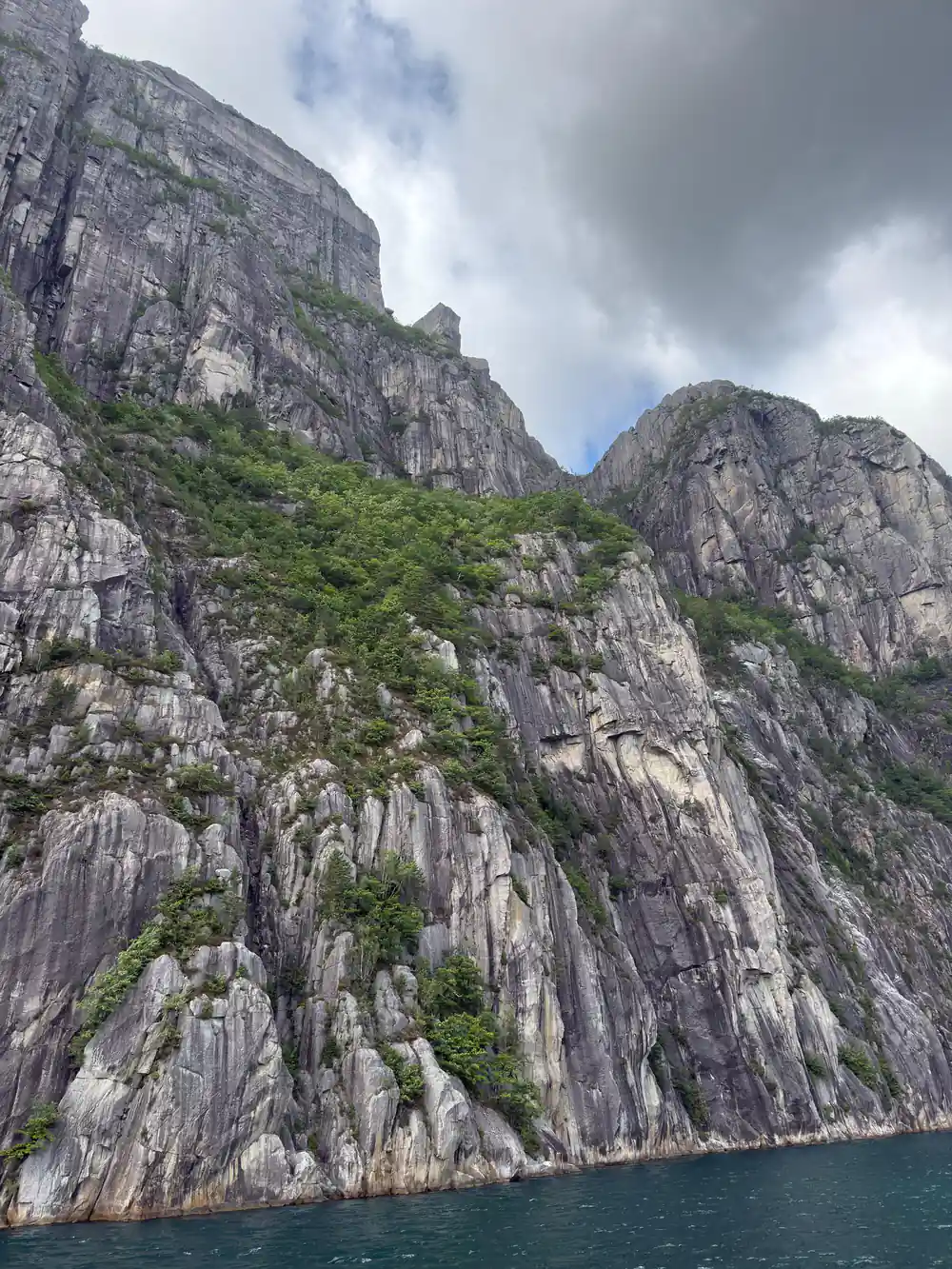
The landmark to watch for is Preikestolen, the Pulpit Rock, which rises 604 metres above the Lysefjord in Ryfylke.[3] The electric fjord cruise from Stavanger lists its stops in a simple order: Fantahala in Rogaland, then Pulpit Rock, then Hengjanefossen waterfall.[2] That order is your route plan. The boat leaves the city, the walls close in, the cliff passes to one side, the waterfall marks the far end, and then the boat retraces the channel back to Stavanger. If you are deciding where to stand, plan to be outside for the middle stretch and to sit down when the boat turns for home.
Leaving Stavanger: harbour, islands and open water
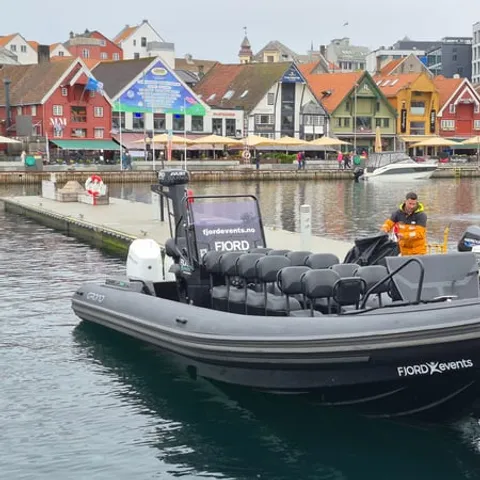
Cruise ships berth at Skagenkaien, Strandkaien or Skansekaien in Vågen, Stavanger's city-centre inner harbour.[10] The fjord cruise slips out of the same water and heads for the mouth of the fjord, past the low islands and skerries that guard the city, the small boats, the odd lighthouse and the ferry lanes. There is no drama in the first stretch, and no need for any. It is the part of the trip where you work out which side of the boat the sun is on, claim a spot at the railing, and settle into the rhythm of the water. Sit inside if the wind is cold; the windows are generous and you will not miss the first cliffs.
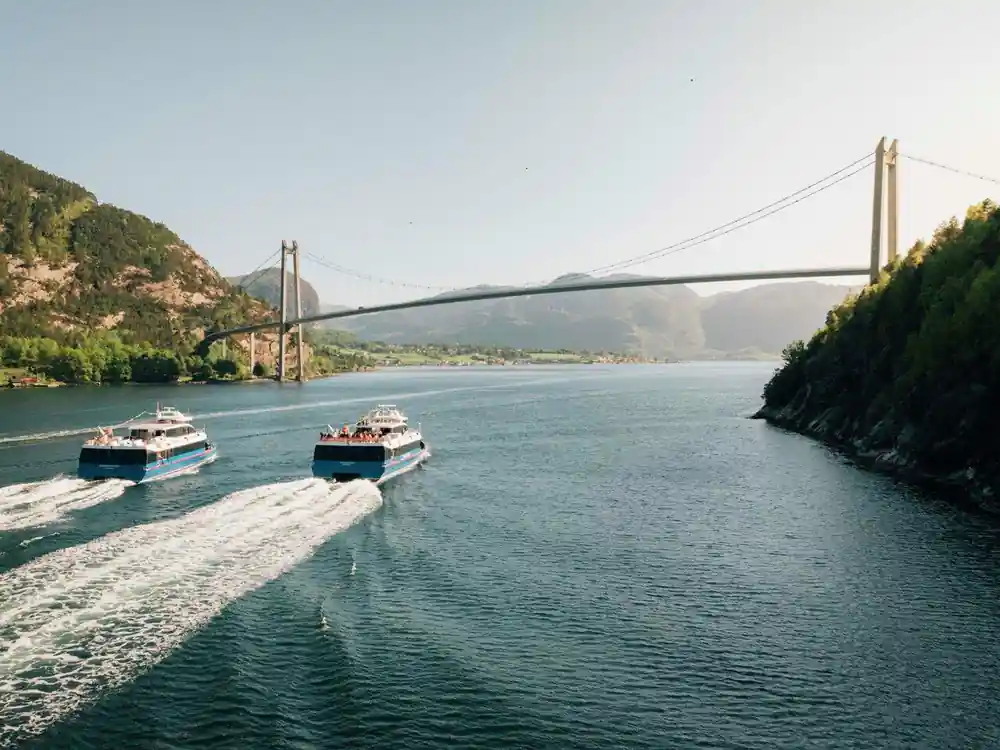
The quiet is the point of this boat. The electric Lysefjord cruise from Stavanger is a 3.5-hour silent, hybrid-electric fjord cruise to see Preikestolen from the water.[11] With no engine note under the deck, you hear the hull moving through the water, the gulls, and the low talk of other passengers. The cruise is listed as wheelchair accessible, and an audio guide is offered in English and Norwegian.[2] Use the guide early, while the landscape is still wide and easy to follow, and keep half an ear on it later when the narrows arrive.
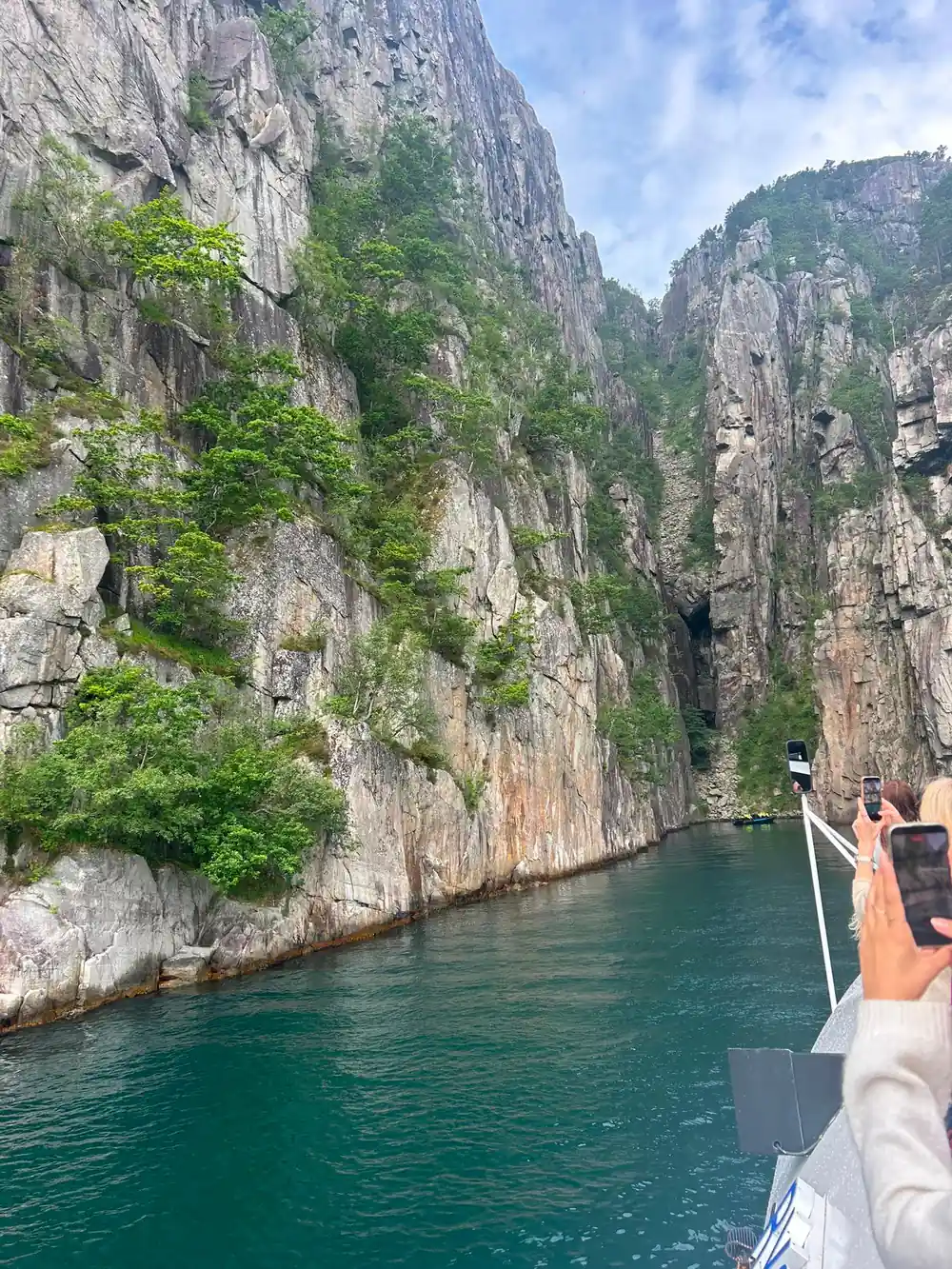
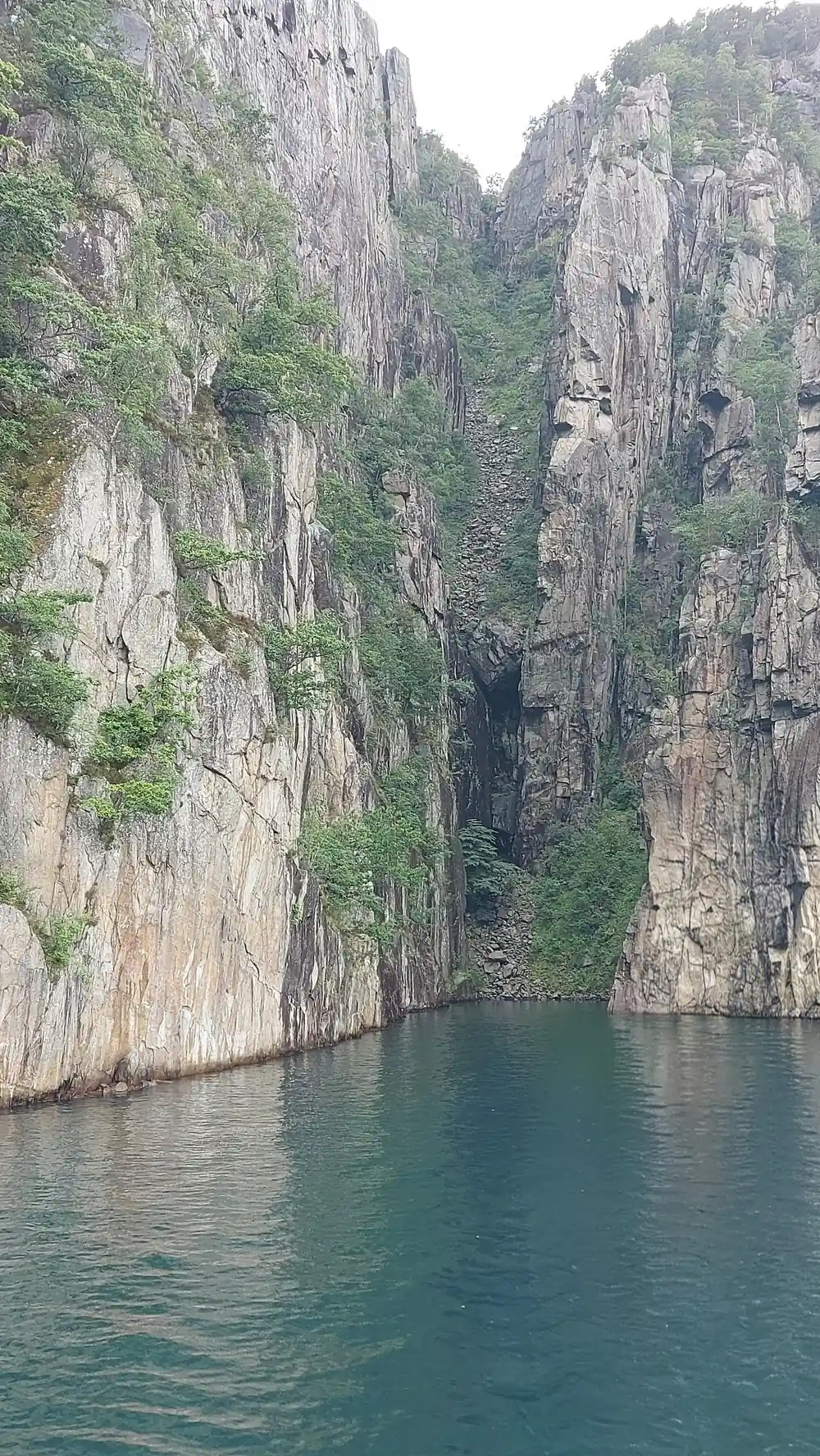
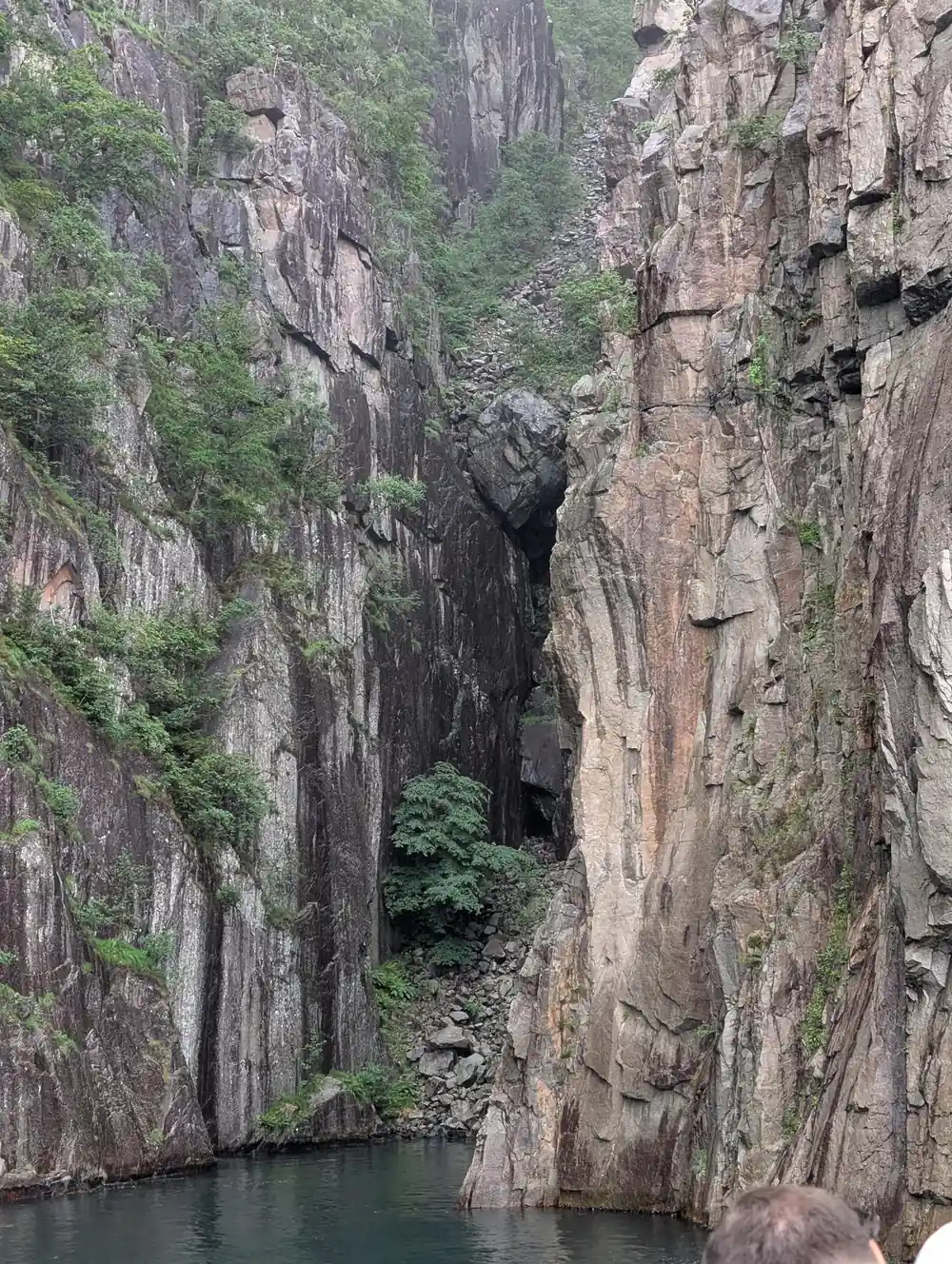
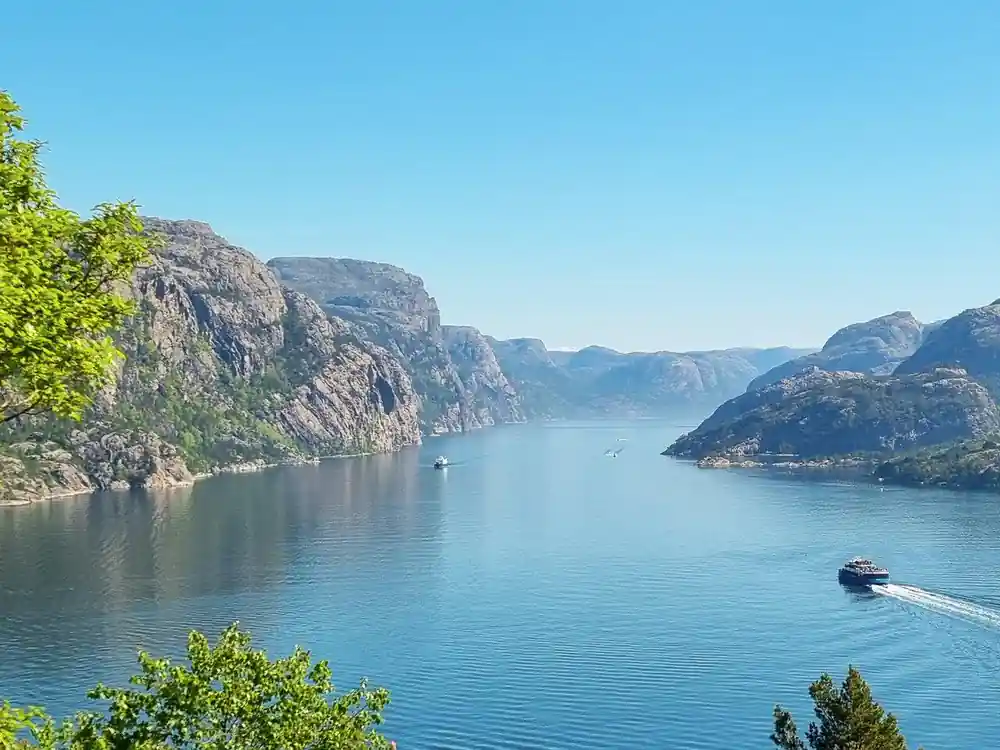
The fjord narrows between steep rock walls as the boat runs inland toward the cliff.
Into the narrows: Fantahala and the first cliffs
Fantahala in Rogaland is the first stop on the cruise itinerary.[2] By then the fjord has tightened into the shape people picture: walls rising almost straight from the water, the channel bending out of sight, the surface going dark and still. The rock here is old, hard and glacier-scraped, and the water below it is deep. Where the fjord narrows, the boat slows and the view fills the windows, which is when most passengers leave their seats and go out on deck.
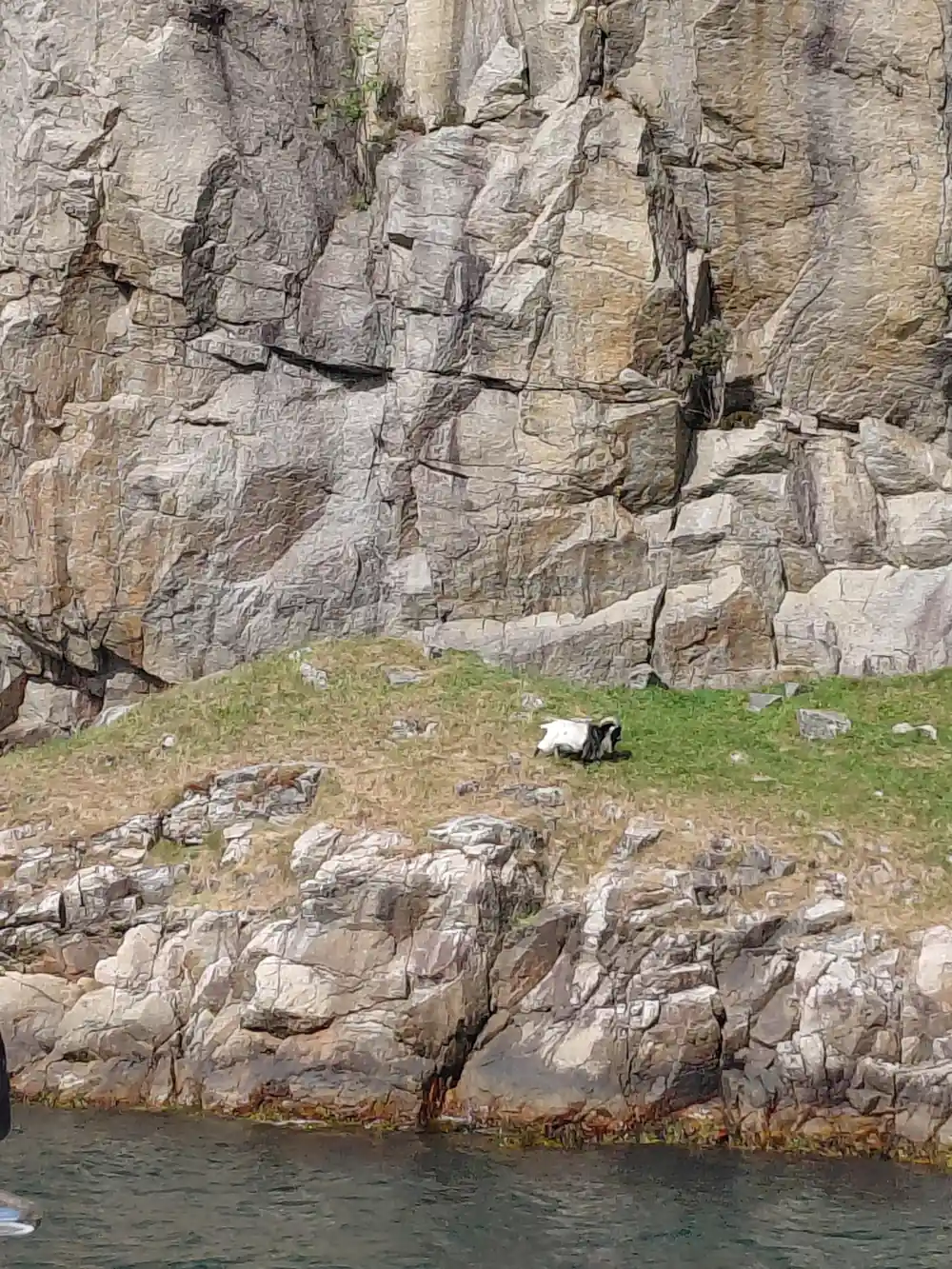
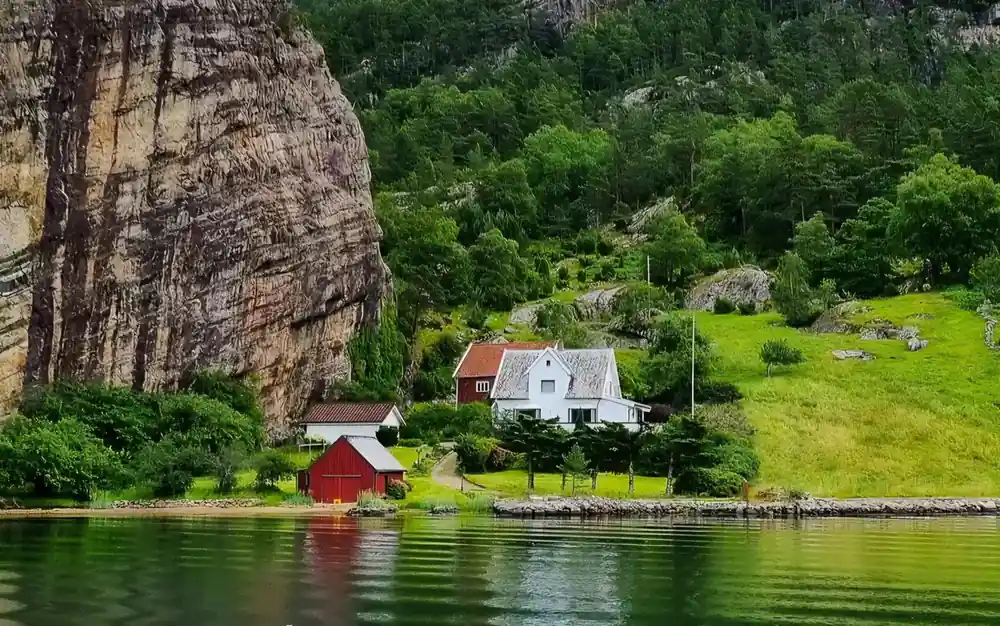
This is also the stretch where the fjord's measurements start to mean something. Water that reaches up to 422 metres deep looks flat from the surface, and that flatness is what makes the walls on either side feel so high.[4] Keep an eye out for small farms, jetties and boathouses in places where you would not expect anyone to build. They are one of the quiet pleasures of the Lysefjord cruise route: a reminder that this channel is a working road as well as a sight, and that people lived along it long before anyone came to look.
Preikestolen from the water: the cliff overhead
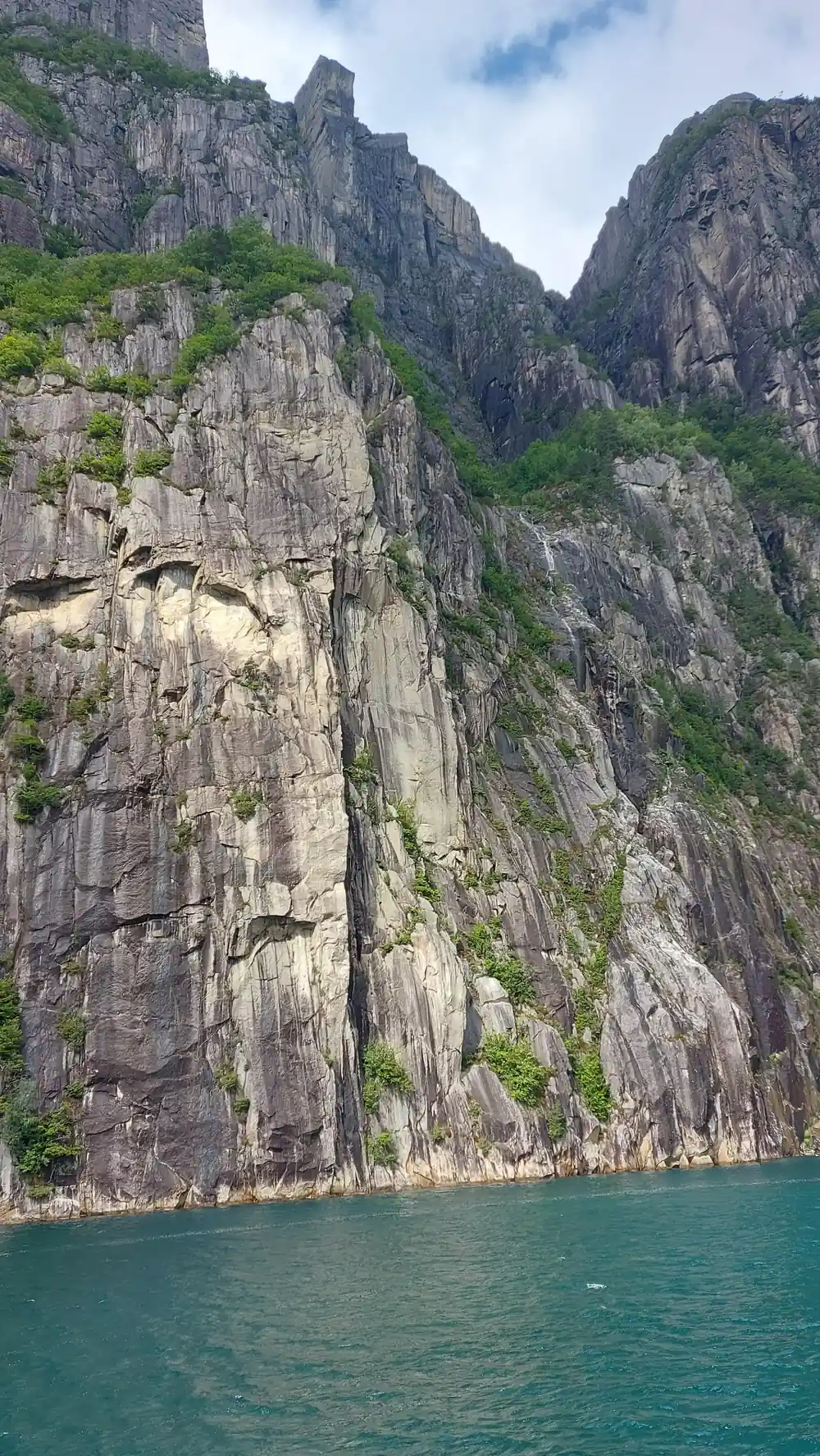
The cliff arrives without warning if you are looking the wrong way. Preikestolen rises 604 metres above the Lysefjord in Ryfylke, and the listed route takes the boat past Pulpit Rock.[2][3] From the water you see the vertical face and the flat shelf on top, and on a clear day you may pick out the tiny figures of hikers at the edge. From up there the boat is the speck; from down here the cliff is. Both views make the same point about scale, and they are worth comparing if you plan to walk the trail as well as sail beneath it.
For context, the hike to Preikestolen is less than 10km (6.2 miles) long with an elevation gain of just over 600m and takes about 3 to 4 hours to complete.[12] The trail is open year-round, including during the winter off-season.[8] Some travellers walk up one day and take the boat the next; others choose one or the other. If you only have a short stop in Stavanger, the cruise is the version that fits into a morning, with the cliff face filling the frame and no climbing involved.
from US$75
The electric fjord cruise to Lysefjord and Preikestolen: 3.5 hours from Stavanger, rated 4.62 from 9,730 reviews.[2]
Hengjanefossen waterfall and the turning point
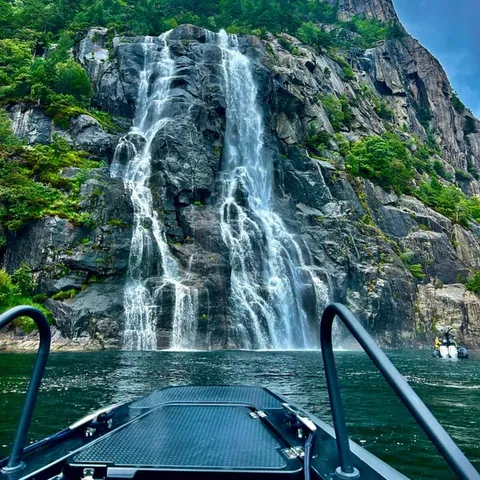
Hengjanefossen waterfall is the third stop on the listed itinerary.[2] One user tip on Komoot puts the fall at an impressive height of around 400 meters, with the water dropping in a long plume down the rock face.[13] The boat comes close enough for the spray to reach the deck on a windy day, and the sound carries across the fjord. Get your camera ready before you arrive rather than during the moment itself: the stop passes quickly and the railing gets crowded.
After the waterfall the boat turns, and the return is the same fjord read backwards. Stay outside for the first few minutes of the turn, when the light falls differently on the walls and the cliff shows its other face. Then head inside, warm up, and let the audio guide fill in the parts you missed on the way out. The cruise is listed at 3.5 hours in total, which is plenty of time to see the whole channel twice without feeling rushed.[2]
Other ways to travel the same Lysefjord route
Not every boat moves at the same speed. The RIB tour to Lysefjord and Preikestolen is listed from US$126 and takes 2 hours.[6] A low-emission Lysefjord and Preikestolen cruise from Stavanger is listed from US$76 and runs 2.5 hours.[5] The Rødne Lysefjord cruise from Stavanger lasts 3-3.5 hours, and the Lysefjord RIB safari is a two-hour boat trip.[14][15] Faster boats cover the same water with more wind and spray; slower boats give you longer to look. The cliff, the narrows and the waterfall are shared by all of them.
On the water there is also paddling. Nordic Paddling organises private guided kayak tours on the Lysefjord for groups of up to 12 people.[16] On land, The Bolder offers architecturally unique cabins in Lysefjorden, designed to minimize environmental impact, if you would rather stay inside the landscape than pass through it.[17] And if you like a challenge before breakfast, the Flørli stairs consist of 4444 steps, climbing straight up from the fjord shore.[18]
What to bring and how to plan your day
Dress for a boat rather than a city street. A windproof jacket, a warm mid-layer, a hat and gloves will keep you on deck far longer than jeans and a jumper, and flat shoes with grip are safer on wet metal steps. Bring a camera with a charged battery, and a power bank if you plan to film. Seasickness is rarely an issue inside the fjord, but if you are sensitive, sit outside in the middle of the boat and watch the horizon rather than a screen.
Getting to the fjord from Stavanger is straightforward: the Lysefjord is 41 miles (66 km) from Stavanger, and the drive takes around an hour and a half.[7] A year-round local ferry service also sails through the fjord, with calls at Lysebotn and other small stops.[19] From Oslo, the Sørlandsbanen train takes around seven to eight hours, a full day but a scenic one.[20] Drivers can add Lysevegen, the road with 27 hairpin bends that winds down to Lysebotn, or the strenuous 12 km trail to Kjeragbolten, a boulder wedged 1,000 meters above Lysefjord.[21][22]
How long Lysefjord boat trips last
Trip lengths from the GetYourGuide listings behind each option: the electric fjord cruise is listed at 3.5 hours,[2] the low-emission cruise at 2.5 hours,[5] the RIB tour at 2 hours,[6] and the hybrid ship cruise at 3.5 hours.[23]
From-prices for Lysefjord trips
From-prices in US dollars for the GetYourGuide listings compared here:[2][5][6][23].
When to book and when you can change your mind
Planning the fjord day
Book the sailing
Reserve now and pay later is offered on the electric fjord cruise, and cancellation is free up to 24 hours before.[2]
Check your start time
The listing says to check availability to see starting times, so confirm the departure before you plan the rest of the day.[2]
Dress for the deck
Windproof jacket, warm layer and something for your ears. The fjord is colder than the harbour, even on a bright morning.
Board early for a rail
Take a spot at the railing before the fjord narrows, and you will have a clear view when the cliff and waterfall come up.
Keep the camera handy
The waterfall stop comes and goes quickly, so have the camera out and ready rather than buried in a bag.
Plan the rest of the day
At 3.5 hours, the cruise leaves time for Stavanger's old town, the harbour or a meal afterwards.[2]
See Preikestolen and Hengjanefossen from the water
from US$76Reserve now & pay later